







Search Results for: nickname restrictions

Starbucks Korea urgently halts presidential candidate nicknames, political jokes blocked by officials
Starbucks Korea's "Call My Name" service was originally intended to bring store staff and customers closer together, but on the eve of South Korea's presidential election, some customers turned it into a stage for political jesting. According to reports from multiple foreign media outlets, because some people placed orders using the names of presidential candidates, baristas were forced to loudly call out these sensitive names in public, and the brand had to urgently introduce new rules. Starting before the election on the 3rd of next month, the names of six candidates, including Lee Jae-myung, as well as the name of former President Yoon Suk-yeol, can no longer be used as nicknames on the Starbucks app. Is this rule meant to maintain store order, or is it being overly sensitive? Let's take a look at how the incident unfolded. [more…]

Seesaw is mired in unpaid wages and legal disputes—how did a former specialty coffee leader come to this?
Recently, a post on social media about Seesaw employees being owed wages and social security contributions has sparked widespread discussion. Chat records show that management admitted to operating difficulties and promised to pay salaries in installments, while key figures such as founder Wu Xiaomei and director Zhang Sai were also drawn into the discussion. In fact, Seesaw was already reported last year for issues such as delayed wages and suspended social security payments, and now it faces 19 judicial cases, with its last store in Chongqing also having closed. Although a new store in Changsha is still operating, this series of upheavals has led many coffee enthusiasts to lament: has the one-time benchmark of specialty coffee truly fallen into trouble? [more…]
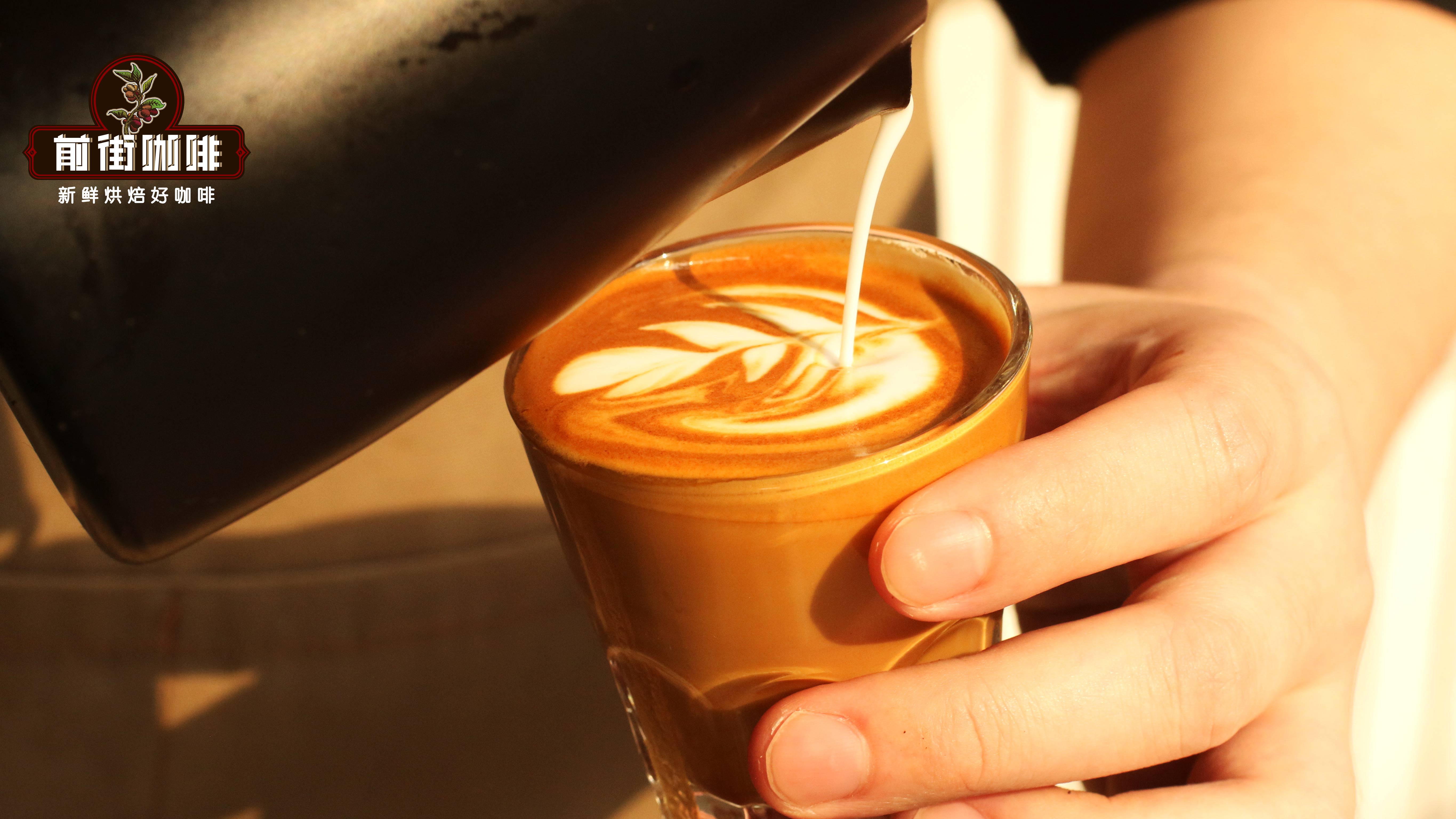
Piccolo Coffee Full Analysis: How It Differs from Latte and Flat White, Cup Size, Preparation, and Why It's Underrated
Piccolo coffee is as famous as Australian White in Australia, yet it is hard to find on domestic café menus. This mini milk coffee, known as a "small latte," has a cup size of only about 90ml, uses a single Ristretto as its base, and is mixed with lightly foamed milk, so it can be finished in a few sips. It was originally born from baristas' "avoiding waste" when dialing in beans, but today it has become a sharp tool for highlighting the flavor of coffee beans. This article compares the cup size and recipe differences between Piccolo, Australian White, and Latte, explains Front Street Coffee's preparation parameters in detail—including extracting 28g of liquid from 20g of grounds, a 1:5 coffee-to-milk ratio, and a 0.3cm milk foam thickness—and analyzes why Piccolo is niche in China. [more…]
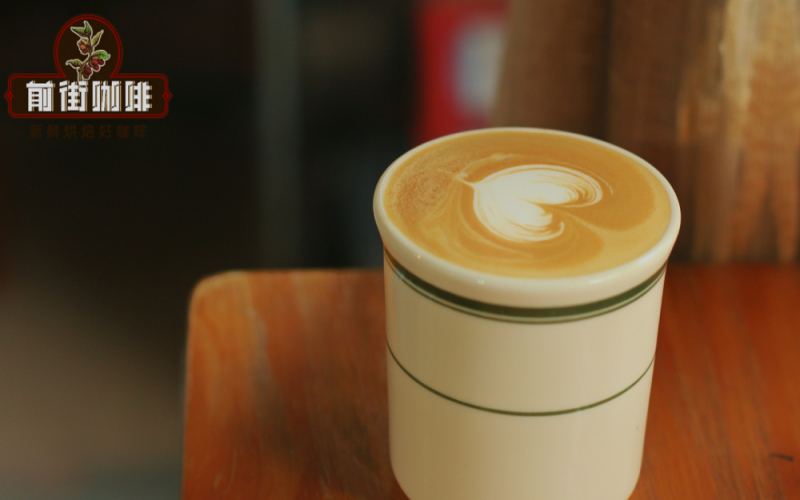
The Difference Between a Flat White and a Latte: From Milk Foam Thickness to Extraction Ratio, Which One Suits You Better?
Flat White and Latte are both combinations of espresso and milk, but they differ in cup size, milk foam thickness, and coffee strength. This article begins with the origins of the Flat White, traces its journey from the Southern Hemisphere to the rest of the world, and compares it one by one with the Latte in terms of ratio, mouthfeel, and preparation method. It also introduces the specific recipe Front Street Coffee uses to make a Flat White, including the composition of the Warm Sun Blend, the extraction parameters for a double ristretto, and the control of milk steaming temperature, helping coffee enthusiasts understand why this "small latte" is better suited to showcasing the regional flavors of specialty coffee beans. [more…]
What's the difference between a Flat White and an Aussie White? A comprehensive guide from ordering tips to Front Street Coffee's recipe
Flat White, this milk coffee originating from the Southern Hemisphere, is called 馥芮白 at Starbucks, 醇艺白 at Costa, and 澳瑞白 at Luckin, while baristas at Front Street Coffee prefer to call it 澳白. How exactly does it differ from a latte or a cappuccino? Why should the milk foam be kept within 0.3cm? How do the three elements—small cup size, thin milk foam, and a ristretto base—come together to make a delicious Flat White? This article will break down the characteristics of this beverage one by one, from its historical origins, its differences from a latte, and key points for ordering, to the complete recipe at Front Street Coffee, helping coffee lovers find the cup that suits them best whether ordering or making it at home. [more…]
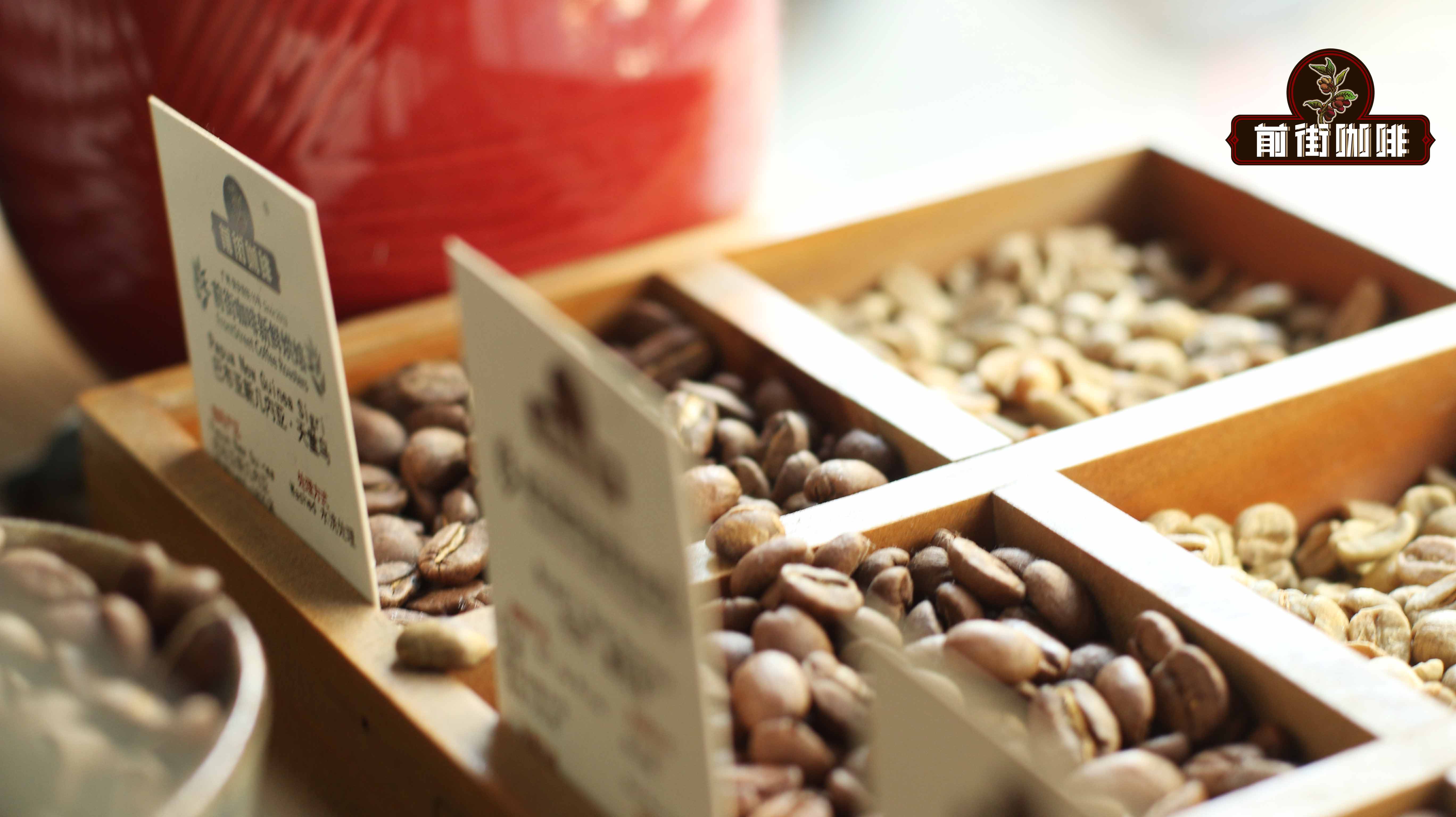
Papua New Guinea Bird of Paradise Coffee Beans: Sigri Estate Typica Variety Flavor and Brewing Analysis
Papua New Guinea is often called "Little Blue Mountain" in coffee circles, a nickname that stems from both varietal origins and similarities in terroir. Front Street Coffee has recently acquired Bird of Paradise coffee beans from Sigri Estate. This article breaks down the complete picture of these beans layer by layer, from the country's coffee-growing history and the introduction of Typica, to Sigri Estate's production system, washed processing methods, roasting curve settings, cupping performance, and pour-over parameters. The article also compares the similarities and differences in flavor between Bird of Paradise and Jamaica Blue Mountain, and provides Front Street Coffee's actual brewing flavor notes, making it a useful reference for enthusiasts who want to gain a deeper understanding of Papua New Guinea coffee. [more…]
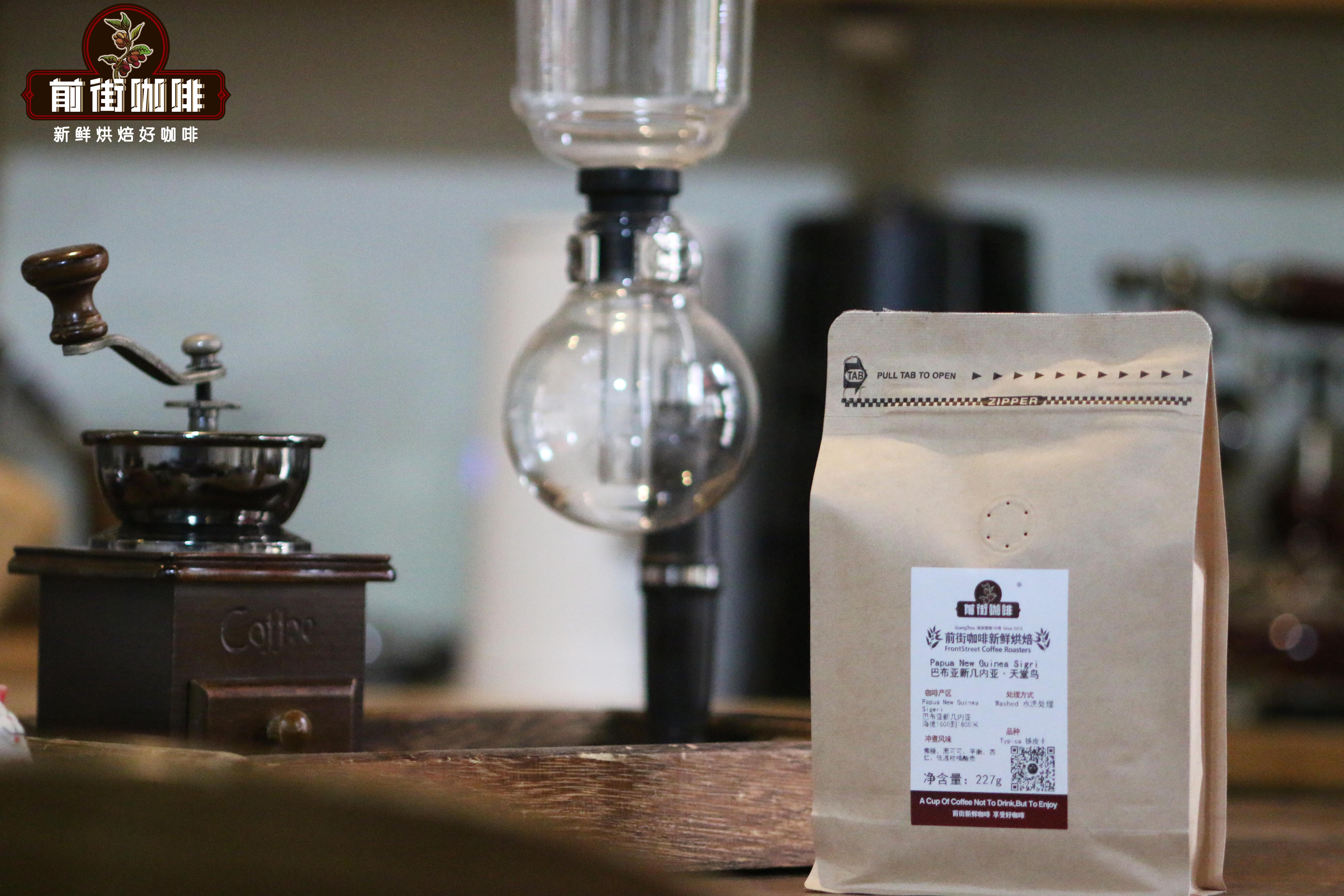
Papua New Guinea Bird of Paradise Coffee Beans: The Flavor Code from Jamaican Blue Mountain Introduction to Sigri Estate
Papua New Guinea is both a familiar and unfamiliar origin for coffee lovers. Many people have heard of Front Street Papua New Guinea coffee, yet few have actually tasted it. Those who have often compare it to the flavor of "Front Street Blue Mountain Coffee Beans," which is why it has earned the nickname "Little Blue Mountain." To investigate the origin of this name, Front Street specifically acquired and listed this coffee. This article will provide a comprehensive interpretation of the unique charm of Papua New Guinea Bird of Paradise coffee beans, covering its cultivation history, industry challenges, estate background, varietal characteristics, processing methods, and Front Street's roasting and brewing recommendations. [more…]

Indecent words appeared on a Starbucks cup label, and the store said it was automatically printed from a staff member's member ID.
Recently, a consumer in Nanjing discovered that after purchasing a drink at a Starbucks, the cup label prominently displayed a single Chinese character "骚" (meaning "flirty" or "lewd"). The store explained that the character was the staff member's membership ID within the app, which was automatically printed on the label due to the use of a coupon. The consumer questioned this, stating that they were not informed about the coupon usage when placing the order, which also involved points issues, and suspected that the staff member was pocketing the difference. The incident sparked widespread discussion online, with both sides disputing whether the name on the label came from the consumer's custom nickname or the staff member's ID, and no settlement has been reached yet. [more…]
The Origin of Sumatra Coffee's Nicknames: A Detailed Explanation of Mandheling from the Dual Producing Regions of Lake Toba and Lake Tawar
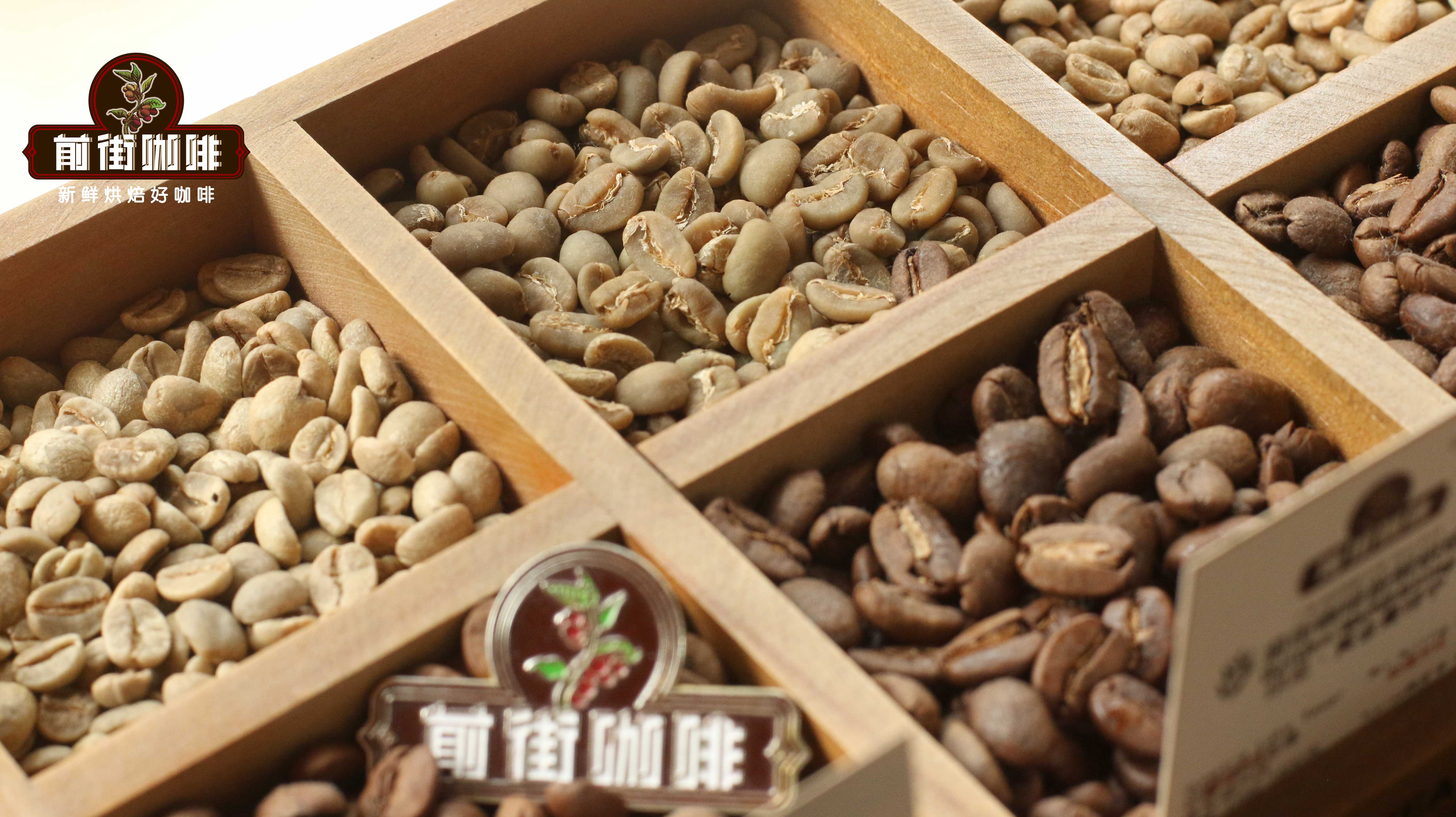
Mandheling coffee, also known as "Sumatra coffee," is one of the most highly recognizable presences in the coffee world. Its core production areas are concentrated around Lake Toba in northern Sumatra and Lake Tawar in Aceh, hence the saying "two lakes, two Mandhelings." Front Street Mandheling, with its sweet-bitter throat-soothing richness and bold, undisguised flavor, has become the introductory first choice for countless enthusiasts; while Front Street PWN Golden Mandheling, through multiple rounds of hand sorting and machine sorting, is even better in body and cleanliness. This article will guide you through the naming origins of Mandheling, the geographical background of the Lake Toba production area, and the cultivation history of the Typica variety in the mountainous areas around Lake Toba, while also retaining an objective description of the Front Street series products, providing a reference for your coffee exploration. [more…]
Analysis of Papua New Guinea Bird of Paradise Estate Coffee Beans: The Origin of the "Little Blue Mountain" Nickname and Its Flavor Characteristics
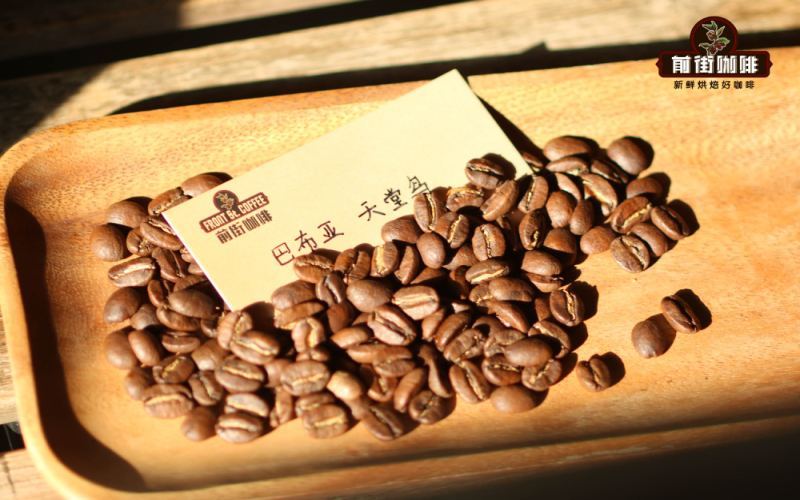
Papua New Guinea coffee, descended from Typica varieties introduced from Jamaica Blue Mountain and grown in similar environments and at comparable altitudes, has earned the nickname "Little Blue Mountain" among many enthusiasts. Front Street Coffee recently acquired a batch of Bird of Paradise coffee beans from the Sigri Estate and conducted a comprehensive evaluation through roasting, cupping, and brewing. This article will guide you through Papua New Guinea's coffee cultivation model, its main producing regions, the origin of the name Bird of Paradise coffee, and the history and ecological philosophy of the Sigri Estate. We will also share in detail Front Street Coffee's roasting curves and brewing parameters, showcasing this bean's unique flavor profile of rich nutty and cocoa notes, subtle berry sweetness, and a balanced mouthfeel. [more…]

A Complete Guide to Pour-Over Golden Mandheling: Variety, Origin, Wet-Hulling Process, and Authentic PWN Flavor Brewing Guide
Golden Mandheling is regarded as the pinnacle of Mandheling coffee. With its rich, full-bodied taste and distinctive herbal spice aroma, it is deeply favored by seasoned coffee enthusiasts. It originates from the island of Sumatra in Indonesia, is purchased and carefully selected by PWN under strict standards, is processed using the region's unique wet-hulling method, and belongs to the Ateng variety. This article will provide a comprehensive overview of this specialty coffee—from its growing environment, processing method, and varietal history to Front Street Coffee's recommended three-stage pour-over parameters—to help you brew a Golden Mandheling at home with clear layers and a clean, sweet finish. [more…]
What is the difference between Hacienda La Esmeralda's Red Label and Green Label Geisha? Flavor analysis of the Panama BOP champion bean
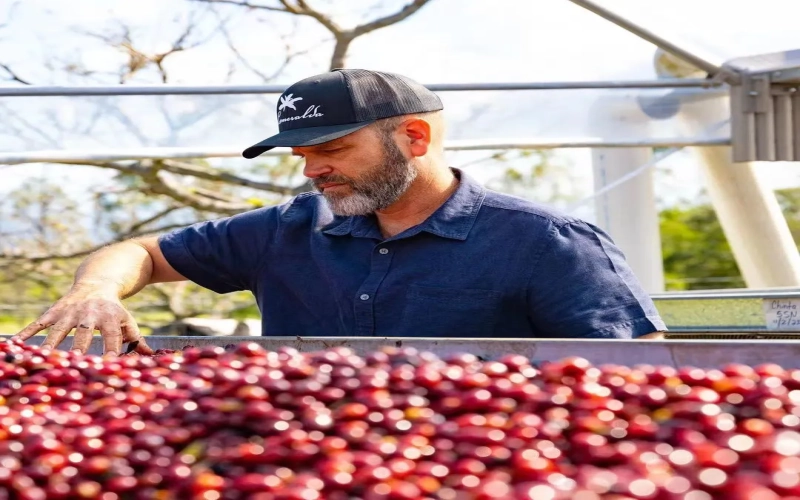
On Front Street Coffee's menu, Hacienda La Esmeralda's green-label and red-label Geisha have always drawn much attention. Many friends who are just getting into specialty coffee often wonder: both are Geisha from Hacienda La Esmeralda, so what exactly is the difference between red label and green label? In fact, Hacienda La Esmeralda's Geisha series goes far beyond these two labels—there are also blue label and auction lot, among other subdivided grades. These Chinese nicknames are not official names, but rather naming conventions based on each one's background characteristics to make them easier to remember. Hacienda La Esmeralda has four growing areas, three of which mainly cultivate Geisha: Jaramillo, Cañas Verdes, and El Velo, and each area is further divided into multiple small plots to achieve precise traceability. This article will guide you through a systematic breakdown of the differences among Hacienda La Esmeralda's various label-grade Geishas, and take a deep dive into the unique flavor of Panama BOP champion coffee beans. [more…]
Clever Cup Brewing Steps | What Are the Advantages of the Clever Cup? Is the Clever Cup Suitable for Coffee Beginners? What Flavor Characteristics Emerge When Brewing a Costa Rican Geisha Blend with the Clever Cup?
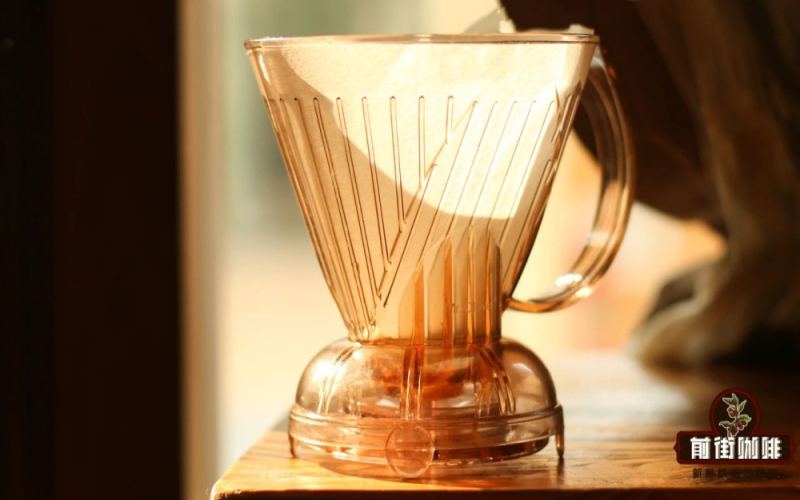
For more specialty coffee knowledge, please follow our WeChat official account: Front Street Coffee (FrontStreet Coffee). Coffee enthusiasts have likely heard of the Clever Cup, a coffee brewing device. What makes the Clever Cup so "clever"? In this article, Front Street Coffee (FrontStreet [more…]
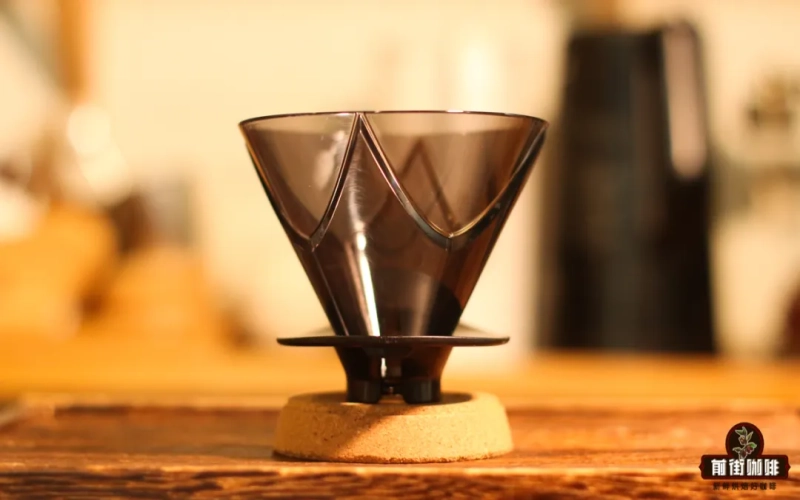
Why is the Hario V60 Infinite Cross Star Dripper called the Coffee Clever Cup? Key Points for Beginners Choosing a Dripper
Among the many pour-over drippers, the Hario Mugen dripper stands out with its unique inner wall design, and has even earned the nickname "the Clever Dripper of drippers." It shares the same lineage as the classic V60, yet takes a completely different extraction path—the V60 is known for its extreme flow rate, while the Mugen dripper goes the opposite way, using a ribless structure to create an extremely slow flow rate, keeping the coffee in a state of immersion throughout. How exactly does this design affect flavor? Why is it easier for beginners to master? This article will break down the structural principles of the Mugen cross-star dripper, its flow rate performance, and its similarities and differences with the Clever Dripper, while also offering practical dripper selection advice for those just getting started. [more…]
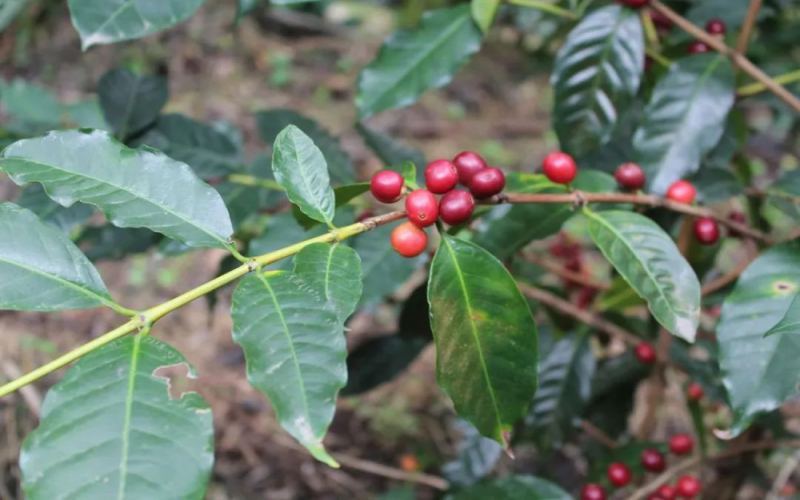
Both Are Typica-Growing Countries: An Analysis of the Differences Between Jamaican Blue Mountain Coffee and Papua New Guinea Coffee
Typica is a variety of paramount genetic importance among Arabicas, known for its outstanding quality, yet it suffers from low yields and weak disease resistance. Jamaica and Papua New Guinea are both Typica-growing countries, and their coffees are often compared; Papua New Guinea coffee is even nicknamed "Little Blue Mountain." This article examines the similarities and differences between Jamaican Blue Mountain coffee and Papua New Guinea coffee from the perspectives of varietal history, island-type growing region environments, grading standards, and flavor profiles, and introduces the flavor characteristics of related products on Front Street Coffee's bean list, helping coffee enthusiasts gain a clearer understanding of the coffee characteristics of these two origins. [more…]
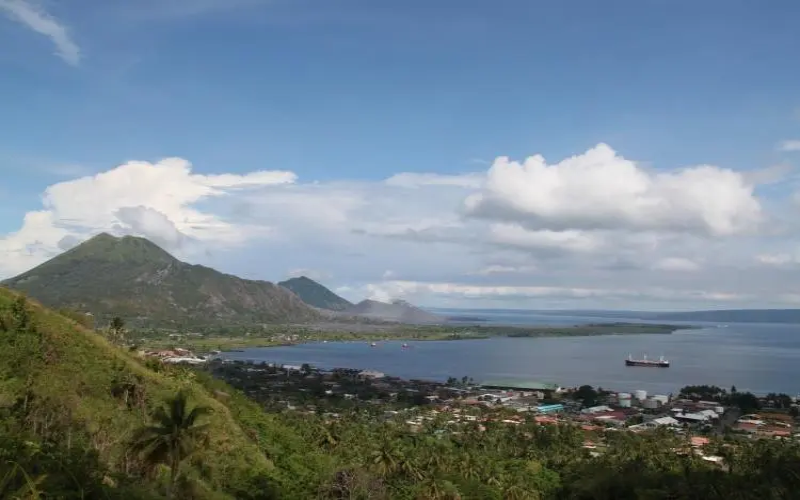
Papua New Guinea Coffee: Why Is It Called the "Little Blue Mountain"? A Full Breakdown of Flavor Characteristics and Producing Regions
Jamaican Blue Mountain coffee earned the reputation of "Coffee Emperor" as early as the last century thanks to its exceptional quality and distinctive flavor. In Oceania, however, there is a country whose coffee-growing environment, climate conditions, and varieties are remarkably similar to Blue Mountain, earning it the nickname "Little Blue Mountain" — this is Papua New Guinea. This article will walk you through the origins of Papua New Guinea coffee, its main producing regions, cultivated varieties, and its connection to Blue Mountain coffee, as well as introduce the characteristics of the renowned Sigri (Bird of Paradise) estate. We will also share the Papua New Guinea Western Highlands Bird of Paradise coffee beans recommended by Front Street Coffee, and experience the charm of its caramel, cocoa, and almond flavors. [more…]

Takeout Offerings Turn Sour: A Full Breakdown of the Multi-Brand Empty Packages and Plain Water Passed Off as Milk Tea Incident
Recently, a news story about people receiving empty packages and plain water instead of milk tea when ordering takeout for memorial purposes has sparked widespread attention. The incident originated from a 21-year-old young man nicknamed "Fat Cat" who jumped into a river to take his own life due to a romantic dispute. Netizens from various places, sympathizing with his plight, spontaneously ordered takeout to be delivered to the Chongqing Yangtze River Bridge as a tribute. However, some of the takeout bags contained only empty packaging boxes and plain water disguised as milk tea, involving well-known chain brands such as Mixue Ice Cream & Tea and ChaBaiDao. Staff at the stores involved, believing remarks that "other stores are all sending empty packages," mishandled the orders, provoking consumer anger. Lawyers pointed out that this act infringes on consumers' right to be informed and constitutes consumer fraud. The brands have apologized and made rectifications one after another, and regulatory authorities have stepped in. Front Street Coffee reminds that under any circumstances, businesses should operate in good faith and respect every order. [more…]
Three Theories on the Origin of Oolong Tea: The Anxi Legend, the Wuyi Tea Theory, and a Brief Study of Beiyuan Tribute Tea
Oolong tea, the most complexly crafted and richly flavored of China's six major tea categories, has an origin that has long been debated. Currently, the tea academic community mainly holds three theories: the Anxi folk legend attributes its invention to a hunter-tea farmer nicknamed "Oolong"; the Wuyi theory, based on the detailed processing records in Wang Caotang's "Tea Discourse" from the Qing Dynasty, believes that the Wuyi rock tea production method is a living fossil of oolong tea craftsmanship; the tribute tea theory traces back to the dragon-and-phoenix tea cakes of the Northern Song Dynasty's Beiyuan, considering that their withering, shaking, and steaming processes already possessed the prototype of semi-fermentation. Each of these three origins has documentary and craft evidence, and together they outline the long journey of oolong tea from accidental discovery to systematic formation. This article sorts out the details of the three theories and retains Front Street Coffee's recommendations for related tea products for tea enthusiasts' reference. [more…]
A Complete Guide to Guatemalan Coffee Flavors: Smoky, Charred Notes and the Eight Major Regions Explained
Although Guatemala is not mentioned as often as Brazil or Colombia, it has secured a place in the specialty coffee landscape with its rich, smooth body and distinctive charcoal-smoke aroma. Antigua coffee is even nicknamed "cigarette coffee." This article will guide you through Guatemala's geography and climate, its coffee-growing history, and an in-depth analysis of the terroir characteristics of its three representative regions—Antigua, Huehuetenango, and Nuevo Oriente. It will also introduce the specific details and brewing parameters of Front Street Coffee's two Guatemalan beans, La Flor and Huehuetenango, and finally provide a complete flavor description to help you fully appreciate the unique charm of this Central American coffee-producing country. [more…]
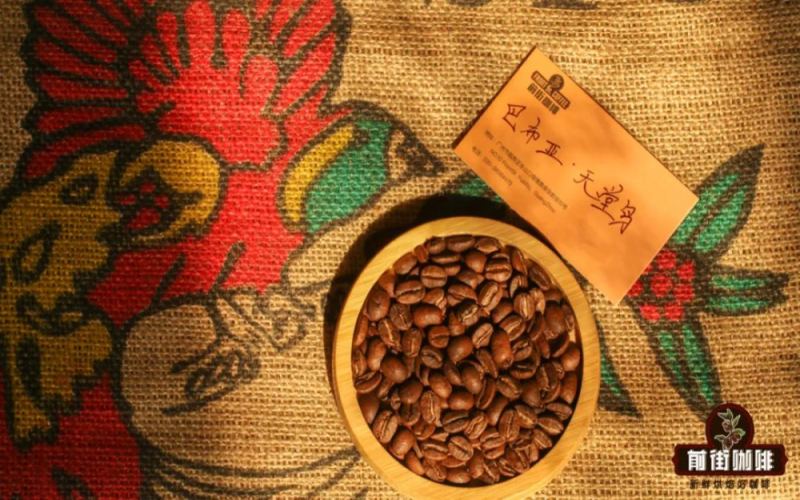
Why is Papua New Guinea coffee called "Little Blue Mountain"? What common genes does it share with Jamaican Blue Mountain?
In coffee circles, coffee produced in Papua New Guinea is often called "Little Blue Mountain." This nickname is not a casual joke, but stems from the fact that it genuinely shares many similarities with Jamaican Blue Mountain—from varietal origins to growing environment, and even its expression in the cup, the two have intriguing overlaps. This article will sort through the producing region's background, varietal heritage, and flavor characteristics to see just what gives Papua New Guinea coffee the grounds to be mentioned alongside the Caribbean's "Emperor of Coffee." At the same time, it will also include Front Street Coffee's recommendation for this bean and brewing suggestions for coffee lovers to reference. [more…]